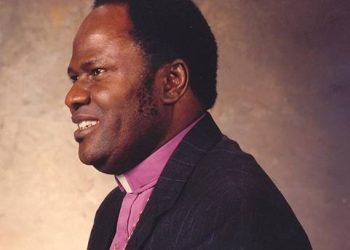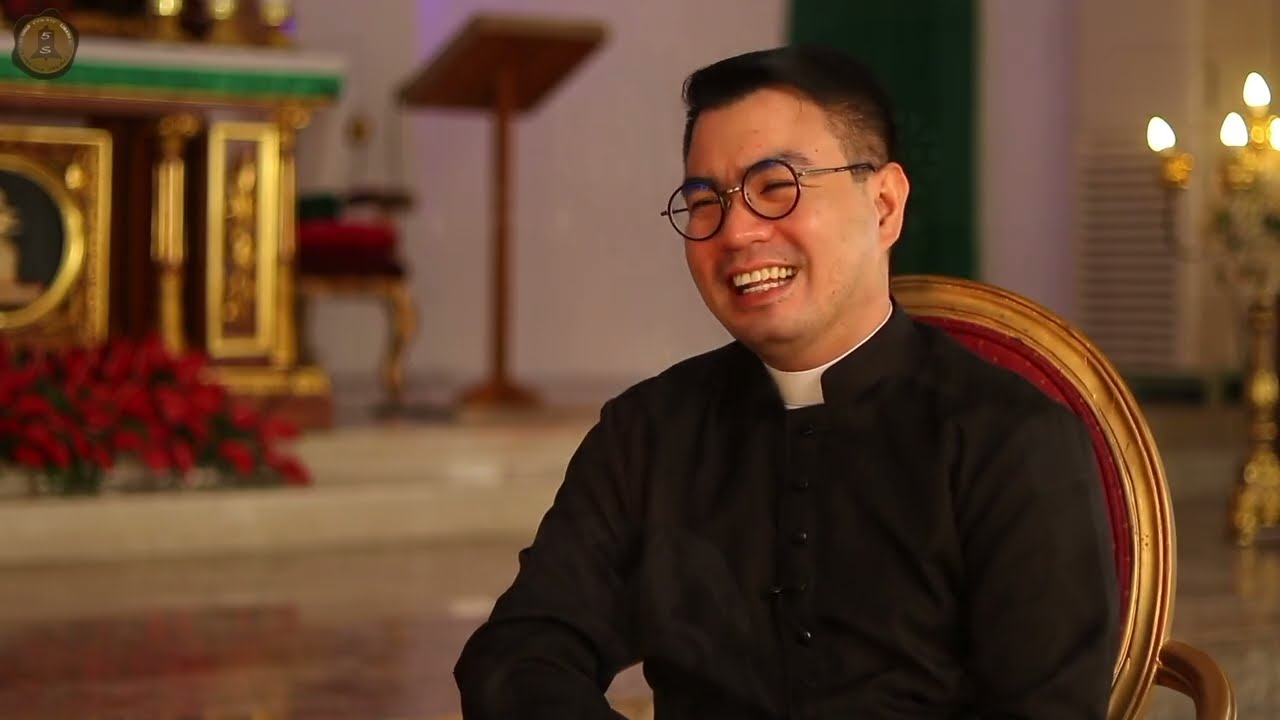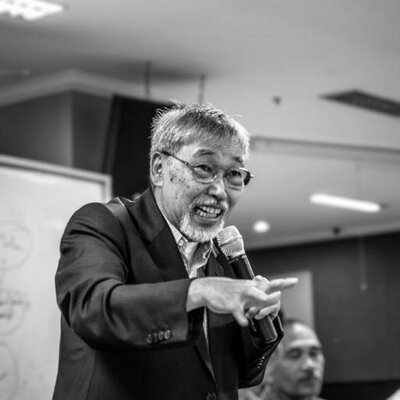
Kemas Abubakar Masyhur (K.A.M.) Jusuf Roni (born December 6, 1946, in Palembang, Indonesia; died June 29, 2025, in Jakarta) was an Indonesian pastor, evangelist, and author known across Indonesia as one of the country’s most striking stories of religious conversion.
Born into a devout Muslim family with deep roots in Palembang’s Islamic community, Jusuf Roni left Islam for Christianity as a young man and spent six years in prison for it.
He went on to found the Gereja Kemah Abraham (GKA), where he served as senior pastor and bishop until his death.
Pdt. Jusuf Roni – At a Glance
| Personal | |
|---|---|
| Full name | Kemas Abubakar Masyhur (K.A.M.) Jusuf Roni |
| Born | December 6, 1946, Palembang, South Sumatra, Indonesia |
| Died | June 29, 2025, Jakarta, Indonesia (age 78) |
| Nationality | Indonesian |
| Spouse | Umina E.T. Jusuf Roni |
| Family background | Born into a prominent Palembang Muslim family of the “Kemas” clan |
| Ministry | |
| Title | Bishop / Senior Pastor (“Abuna”) |
| Church | Gereja Kemah Abraham (GKA), Jakarta |
| Movement | Pentecostal-Charismatic |
| Ordained by | Gereja Methodist Indonesia (GMI), as evangelist |
| Career | |
| Prior churches founded/led | Gereja Kristus Rahmani Indonesia (GKRI) Diaspora (1980) |
| Known for | Testimony of conversion from Islam; sermon recordings, books, and Christian apologetics |
Early Life and Family Background
Jusuf Roni was born in Palembang on December 6, 1946, into the “Kemas” clan, a family known for its standing in the city’s Muslim community.
His grandfather, Kemas A. Roni, was a well-known Islamic figure in Palembang, and Jusuf Roni later traced his lineage back through several generations of local Islamic leaders.
Some family accounts extend that lineage all the way to Fatahillah, the 16th-century Muslim general associated with the founding of Jakarta, though this claim rests on oral family history rather than independent verification.
As an only child, young Jusuf was raised under strict religious discipline shared by his parents, grandfather, and uncles.
When his family moved to Bandung, he enrolled at the YPI Islamic boarding school on Jalan Muhammad, led by KH. Udung Abdurrahman.
That upbringing made him, in his own later words, a fervent and fanatical young Muslim.
Life as a Muslim Activist
Before his conversion, Jusuf Roni held several leadership roles in Islamic youth and political organizations in West Java.
He served as chairman of SEPMI (the Indonesian Muslim Students’ Union) for the Bandung regency, headed SEPMI’s West Java region, and led its central missionary wing.
He also held education and youth leadership posts within PSII, the Indonesian Islamic Union Party, and worked in the missionary and press division of Pemuda Muslimin Indonesia for West Java.
By his own account, he was an active opponent of Christian growth in West Java during this period.
Conversion and Imprisonment
Jusuf Roni’s turning point came, by his own testimony, during a pilgrimage to Mecca, where he described seeing a shining white cross above the Kaaba.
He later compared Christian and Islamic scripture on his own initiative and found himself drawn to the Bible.
He publicly professed faith in Jesus Christ, a decision that cost him his standing in the Muslim organizations he had once led.
The consequences were severe. Jusuf Roni was arrested on suspicion of distributing religious material to Muslims, even though he maintained the materials in question were meant only for Christian audiences.
He was imprisoned for six years, from June 15, 1974, to April 4, 1980, while continuing his theological studies at the Sekolah Tinggi Theologia Institut Injil Indonesia (STT I-3) in Batu, Malang.
His wife, later known within the church community as Umina, stood by him through that period, a bond the couple often described as forged in adversity.
Ministry Career
Ordination and Early Church Roles
After his release, Jusuf Roni was ordained as an evangelist by the Gereja Methodist Indonesia (GMI).
He then founded the Yayasan Misi Pekabaran Injil Alkitabiah and led the Jusuf Roni Crusade, an evangelistic ministry that carried his preaching across Indonesia.
He was later ordained a pastor within the Gereja Kristus Rahmani Indonesia (GKRI).
Founding GKRI Diaspora
In 1980, Jusuf Roni started a new congregation, GKRI Diaspora, holding its first Sunday services in the auditorium of the Faculty of Economics at Universitas Kristen Indonesia (UKI) in Cawang, East Jakarta.
The congregation grew quickly and relocated to Puri Agung, inside the Hotel Sahid Jaya on Jalan Jenderal Sudirman, a venue that could seat more than 1,500 people across multiple Sunday services.
Through the 1980s and 1990s, GKRI Diaspora became one of Jakarta’s more visible charismatic congregations under his leadership.
Founding Gereja Kemah Abraham
Jusuf Roni’s ministry path within Indonesian Pentecostal circles was not without turns. Accounts describe him moving between the Syrian Orthodox Church, GKRI, a short-lived synod he called Gereja Kristen Diaspora, and back to GKRI again, before finally founding his own denomination, Gereja Kemah Abraham (GKA). He led GKA as senior pastor and bishop, a role he held until his death in 2025.
Rise to Prominence
Jusuf Roni became one of Indonesia’s most recognized converts to Christianity, known nationally for a testimony that combined a dramatic personal conversion story with an assertive preaching style.
He built a large following through sermon cassettes, CDs, and books that were sold in Christian bookstores across Indonesia for decades, making his materials a fixture of Indonesian charismatic media well before the internet era.
In later years, he expanded his reach through social media and a YouTube channel, sharing testimony, biblical teaching, and Christian apologetics aimed at both Indonesian believers and skeptics.
Personal Life
Jusuf Roni was married to a woman widely known within the GKA community by the honorific title Umina (“mother,” paired with his own honorific “Abuna,” or “father”).
She remained a visible figure in the church’s public life, including during a health emergency he suffered later in life, when she publicly thanked the congregation for their prayers and support.
Public records of the couple’s children are limited, and Flicxa has not found verified details about them; we have chosen not to speculate.
Theology and Ministry Philosophy
Jusuf Roni was known for teaching practical, accessible Christian theology that avoided harsh attacks on other faiths, a notable trait given his own background as a former Islamic activist.
Observers who followed his ministry for years noted that he rarely disparaged Islam directly in his sermons, choosing instead to focus on his personal testimony and biblical teaching.
His theological writing, including material on the doctrine of the Trinity, drew both admiration and scrutiny from other Indonesian church leaders and theologians over the years, reflecting his standing as a figure whose teaching invited serious engagement.
Influence and Legacy
Jusuf Roni’s influence in Indonesian Christianity rests largely on two things: the sheer visibility of his conversion testimony, which reached Muslim and Christian audiences alike, and the institutional footprint he left behind.
GKRI Diaspora and later Gereja Kemah Abraham gave thousands of Jakarta believers a spiritual home, and his recorded sermons circulated in Christian communities across the archipelago for over four decades.
He is remembered within the Pentecostal-Charismatic movement in Indonesia as a bold, unflinching preacher whose life illustrated the personal cost some converts pay for their faith.
Death
Pdt. Jusuf Roni died on Sunday, June 29, 2025, in Jakarta. News of his death was first shared by fellow pastor Andi Simon and confirmed publicly by Pastor Berton Nababan.
His body was laid in state at Rumah Duka St. Carolus, Ruang Mikael B, in Central Jakarta, where church leaders and hundreds of congregants gathered to pay their respects.
Tributes described him as a preacher whose “evangelistic fire never went out,” and his legacy continues through the continuing ministry of Gereja Kemah Abraham.
Timeline
- December 6, 1946 — Born in Palembang, South Sumatra, as Kemas Abubakar Masyhur.
- 1974 — Publicly converts from Islam to Christianity.
- June 15, 1974 – April 4, 1980 — Imprisoned for six years following his conversion.
- 1980 — Ordained as an evangelist by GMI; founds GKRI Diaspora at UKI Cawang.
- 1980s–1990s — GKRI Diaspora grows and relocates to Puri Agung, Hotel Sahid Jaya.
- Later years — Founds Gereja Kemah Abraham, serving as bishop and senior pastor.
- June 29, 2025 — Dies in Jakarta at age 78.
Frequently Asked Questions
Who was Pdt. Jusuf Roni?
Pdt. Jusuf Roni was an Indonesian pastor and evangelist, born Kemas Abubakar Masyhur, who converted from Islam to Christianity and later founded Gereja Kemah Abraham in Jakarta.
Why was Jusuf Roni imprisoned?
He was imprisoned for six years, from 1974 to 1980, on suspicion of distributing religious material to Muslims after his conversion to Christianity.
What church did Jusuf Roni found?
He founded GKRI Diaspora in 1980 and later established Gereja Kemah Abraham (GKA), where he served as bishop and senior pastor until his death.
When did Jusuf Roni die?
Pdt. Jusuf Roni died on June 29, 2025, in Jakarta, at age 78.
Was Jusuf Roni’s wife also a church leader?
His wife, known within Gereja Kemah Abraham as Umina, was a visible figure in the church’s community life alongside her husband, though detailed public records about her ministry role are limited.